
Image Source: Dark Vision Technologies, High-Resolution Acoustic Downhole Evaluation System.
Sensor R&D Engineer | NZ Technologies
Led the R&D and engineering of advanced Human-Machine Interface (HMI) systems for medical, military, industrial, and consumer applications, with a focus on sensor-based interaction technologies.
Designed and developed 3D sensing solutions enabling robust touch, proximity, and gesture detection, including sensor architecture, hardware integration, prototyping, and performance optimization.
Engineered, assembled, and characterized touch-sensing hardware for operation in demanding environments, including exposure to water, grease, dirt, dust, and other contaminants.
Developed and executed functional and environmental validation tests to evaluate sensor performance, reliability, and interaction accuracy under real-world operating conditions.
Collaborated across hardware, firmware, mechanical, and product teams to integrate sensing technologies into application-specific HMI platforms.
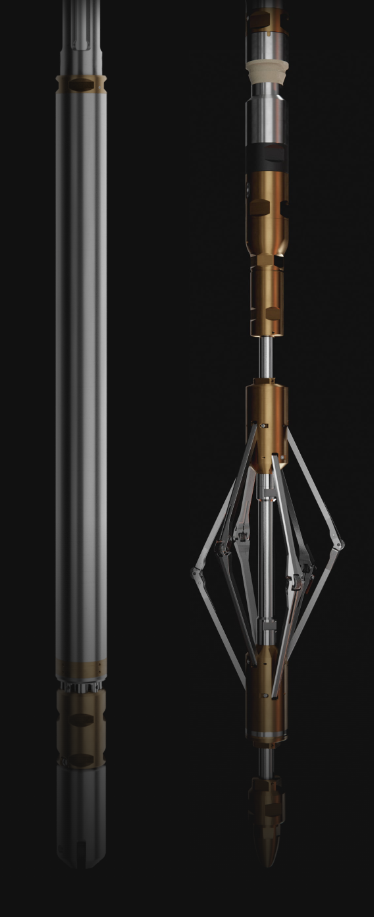
Image Source: Dark Vision Technologies, High-Resolution Acoustic Downhole Evaluation System.
Manufacturing Technician | Dark Vision Technologies
As the sole Manufacturing Technician responsible for the production of the company's award-winning Downhole Imaging technology, I managed the complete manufacturing lifecycle of complex ultrasonic imaging systems used to capture high-resolution 3D subsurface data. This role required a high level of technical expertise, independence, and accountability, as the performance and delivery of this product line depend entirely on my planning, execution, and quality standards.
My responsibilities included building, testing, calibrating, and troubleshooting precision ultrasonic assemblies. Ensuring every system met strict performance and reliability requirements before deployment. I applied systematic root-cause analysis to diagnose hardware and system-level failures, implementing corrective actions that improve product reliability and reduce manufacturing issues.
Beyond production, I was responsible for validating incoming components and newly manufactured parts by performing dimensional inspections, functional testing, and quality verification. Any defects or non-conforming materials were documented and communicated to the Procurement and Engineering teams, maintaining supplier quality and ensuring only compliant components entering production.
Process improvement was a significant part of my role. I continuously updated manufacturing procedures, created clear technical documentation, and standardized build processes to improve repeatability, consistency, and product quality. I also onboarded technicians on manufacturing best practices, including precision assembly, component handling, soldering techniques, inspection standards, and effective troubleshooting methods, contributing to greater manufacturing reliability and knowledge sharing across the team.
Working closely with the Research & Development team, I supported the refinement of the Mark III ultrasonic transducer prototypes by providing manufacturing feedback that improved design for manufacturability, testing efficiency, assembly repeatability, and future production scalability.
Because I independently manage this manufacturing area, I am responsible for planning production schedules, prioritizing new builds and repair queues, balancing multiple projects simultaneously, and adapting workflows to meet changing operational requirements. This position strengthened my ability to combine technical problem-solving with production planning, quality assurance, and cross-functional collaboration in a fast-paced engineering environment.
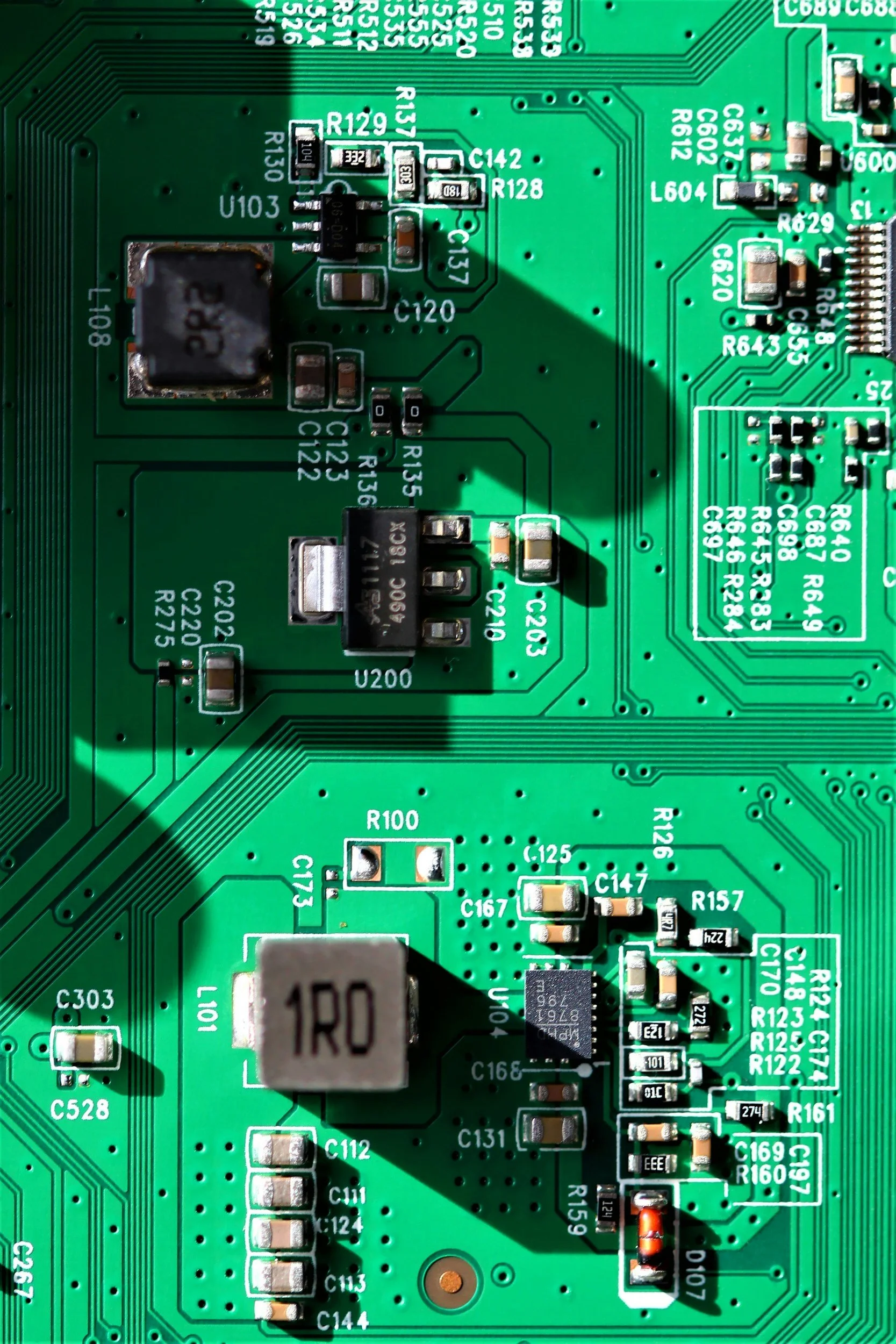
Image Source: Photo by Anne Nygard on Unsplash. Used under the Unsplash License.
Electronics Technician | Anodyne Electronics Manufacturing
As an Electronics Technician at AEM, I supported the manufacturing, testing, repair, and continuous improvement of aircraft communication and avionics systems used in demanding aerospace applications. Working within strict quality and regulatory standards, I assembled, inspected, repaired, and reworked complex electromechanical communication equipment while ensuring compliance with engineering specifications and industry requirements.
During my time at AEM, I completed training as a Certified IPC Specialist (CIS), developing advanced skills in industry-standard soldering techniques, workmanship requirements, inspection methods, and electronics assembly practices. This training reinforced strict adherence to IPC quality standards and strengthened my ability to produce and inspect high-reliability electronic assemblies.
My work involved precision soldering and rework of both through-hole and surface-mount components, implementing engineering change orders, and performing component replacements using controlled reflow techniques. Every assembly underwent thorough inspection and functional verification to ensure reliability before release.
I utilized a wide range of electronic test equipment—including oscilloscopes, digital multimeters, audio analyzers, and RF test equipment—to verify system performance, diagnose faults, and validate compliance with product specifications. Through structured troubleshooting and systematic fault isolation, I successfully diagnosed and repaired more than 50 electronic assemblies, contributing to improved manufacturing efficiency and reducing monthly product assembly time by approximately 10%.
In addition to repair and testing, I programmed, configured, and calibrated more than 20 digital audio and RF communication devices to meet manufacturer performance specifications and aviation quality standards.
Documentation and continuous improvement were integral parts of my responsibilities. I maintained detailed test records, documented repair procedures, and supported process improvements by sharing technical knowledge and helping refine manufacturing workflows. This role strengthened my analytical troubleshooting skills, attention to detail, and commitment to delivering high-reliability electronic systems for safety-critical applications.