Shrimp: An Affordable and Modular ROV for Coral Restoration and Underwater Monitoring
Why Coral Restoration Matters?
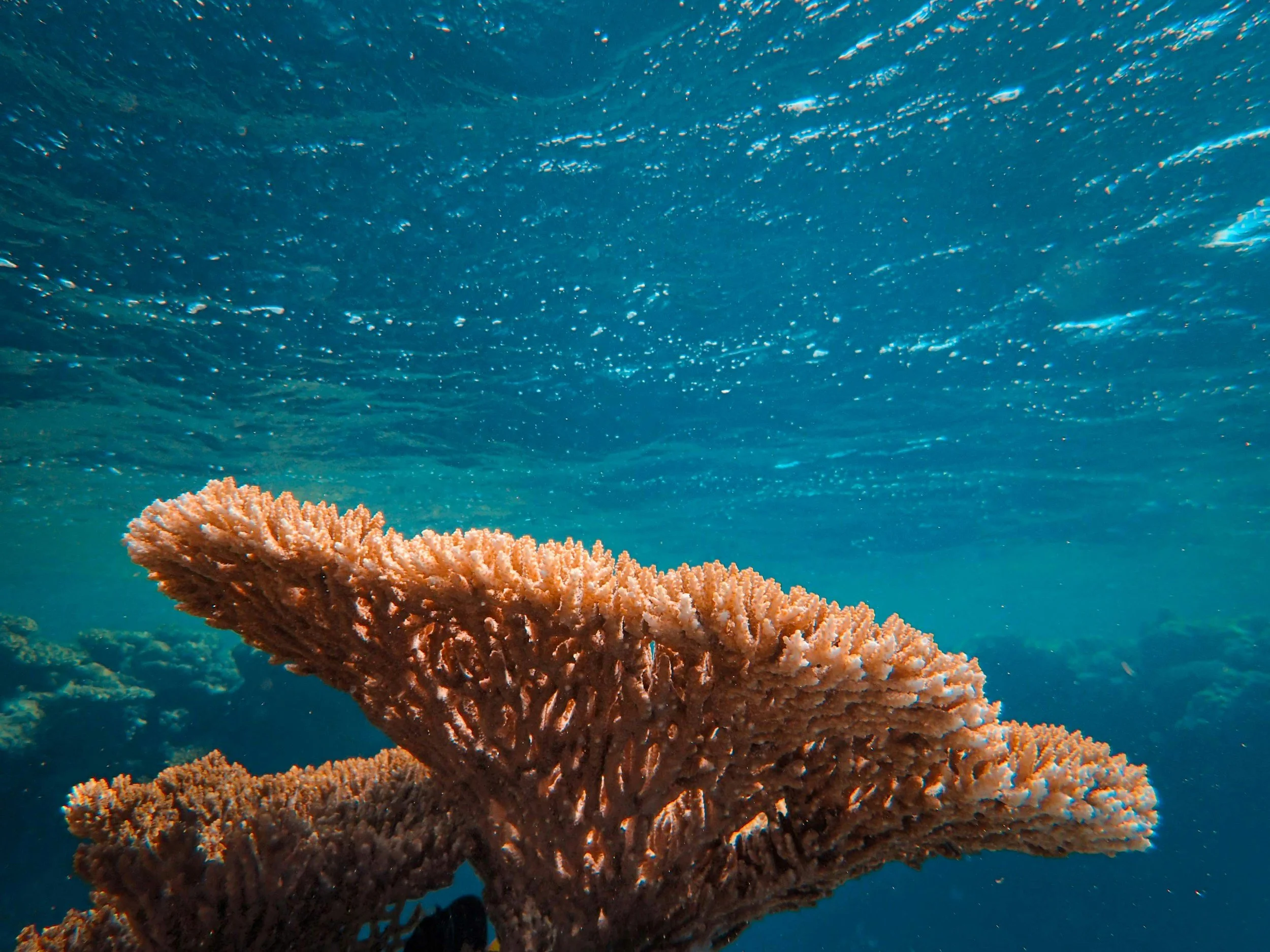
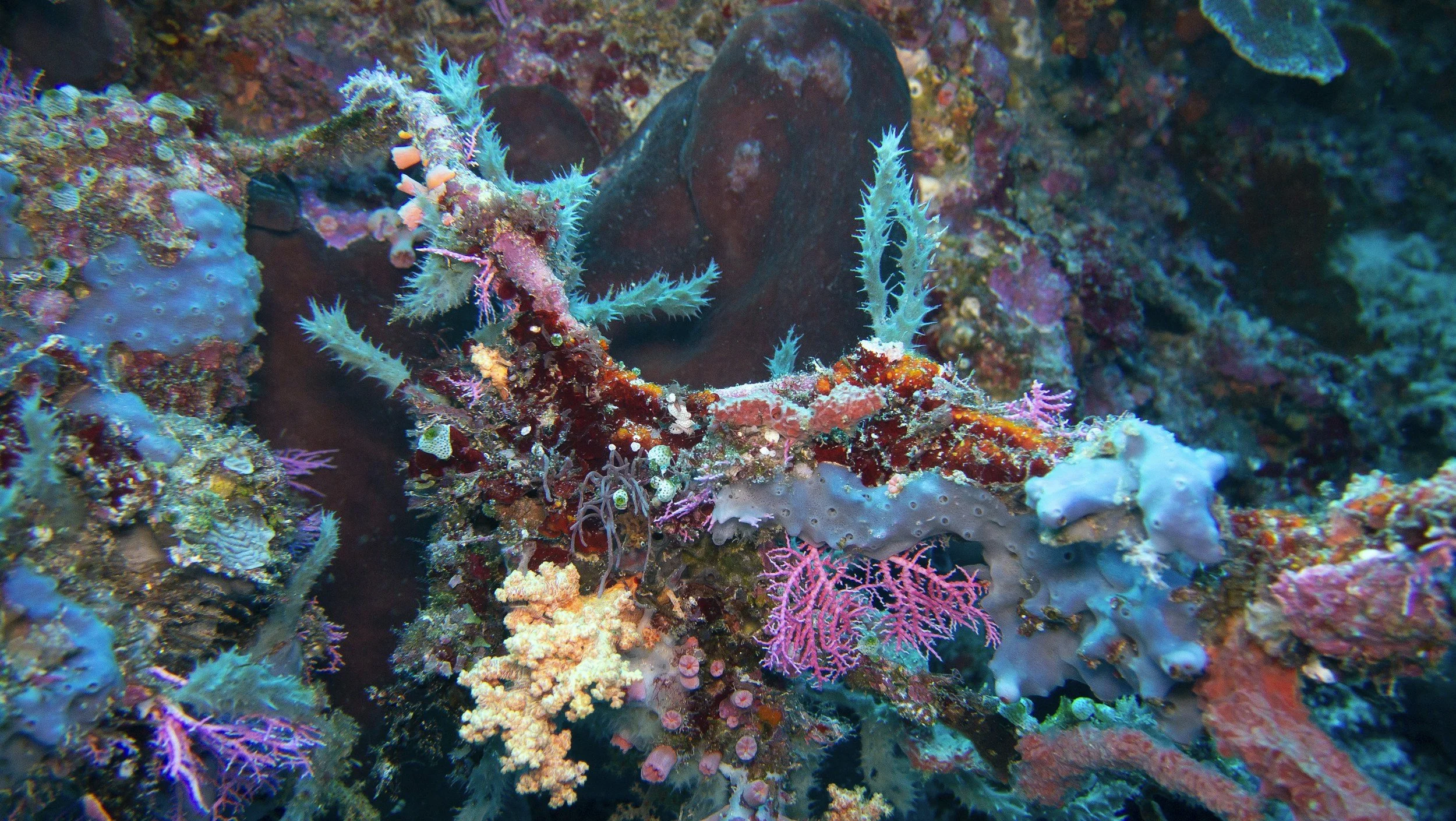
Coral reefs occupy less than 1% of the ocean floor, yet they support nearly a quarter of all marine species. They provide habitat, breeding grounds, and food sources for thousands of organisms, making them one of the most biodiverse ecosystems on Earth.
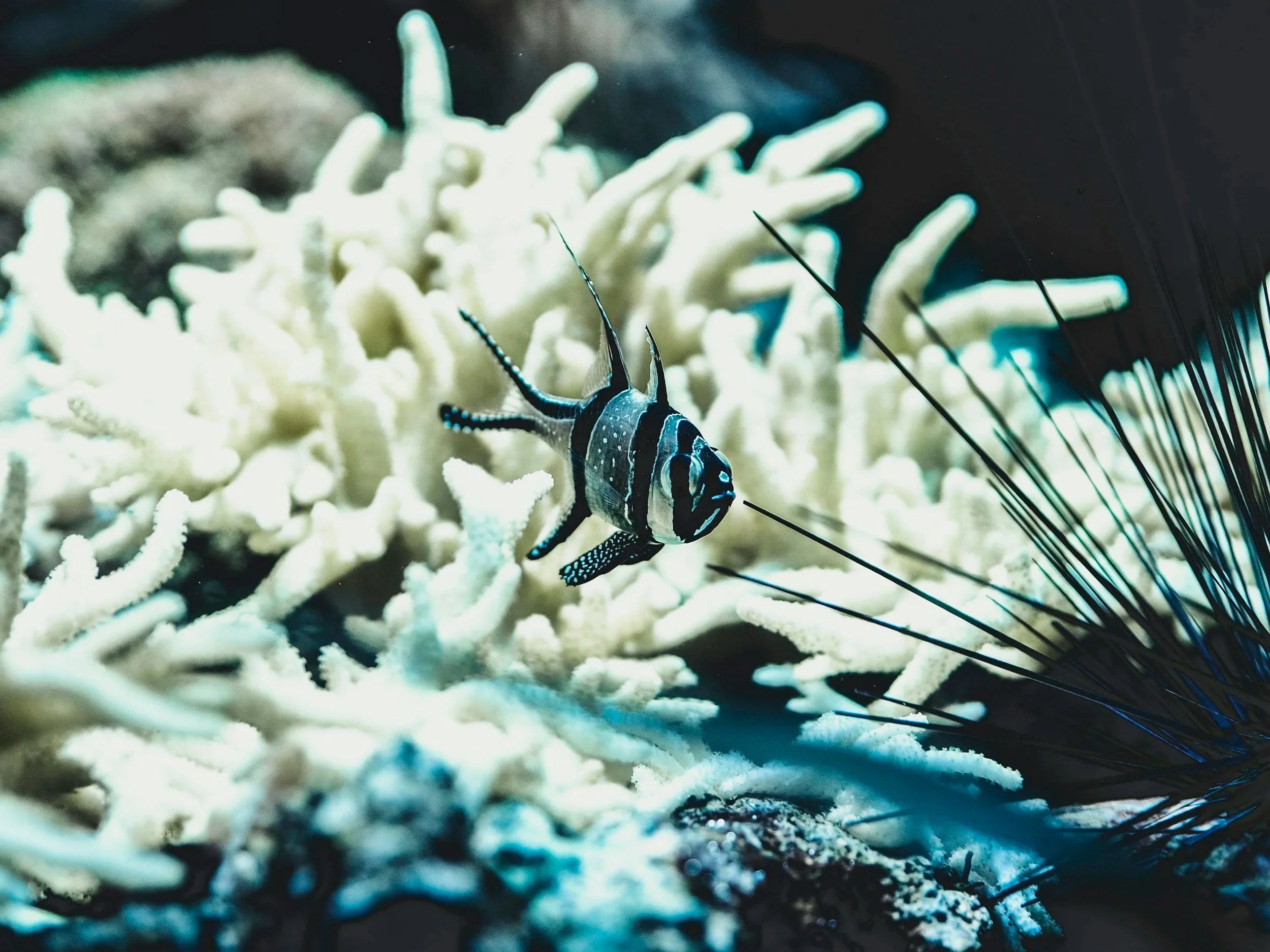
Rising ocean temperatures, pollution, disease, and ocean acidification have accelerated coral bleaching around the world. During bleaching events, corals expel the algae that provide them with nutrients, causing them to lose both their vibrant color and their primary energy source. Prolonged bleaching often results in widespread coral mortality.
❋ Coral Mortality
The consequences extend far beyond marine ecosystems. Healthy coral reefs protect coastlines by reducing wave energy during storms, support fisheries that feed millions of people, generate billions of dollars through tourism, and contribute to biomedical research. As reefs continue to decline, coastal communities become more vulnerable to erosion and flooding, fish populations decrease, and marine biodiversity is lost.
❋ Consequences
One of the greatest challenges in coral conservation is monitoring reef health. Traditional underwater surveys are expensive, time-consuming, and require trained divers, limiting how frequently restoration efforts can be evaluated.
❋ Challenges
Our team set out to address this challenge by developing an affordable underwater Remotely Operated Vehicle (ROV) capable of collecting imagery for coral monitoring and photogrammetry while remaining accessible to researchers and restoration organizations.
❋ Our Approach

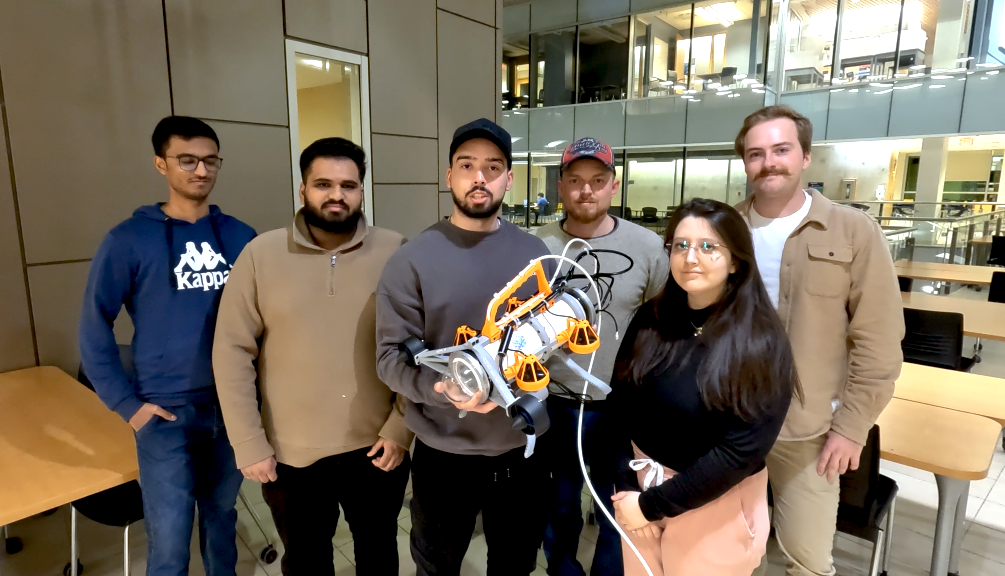
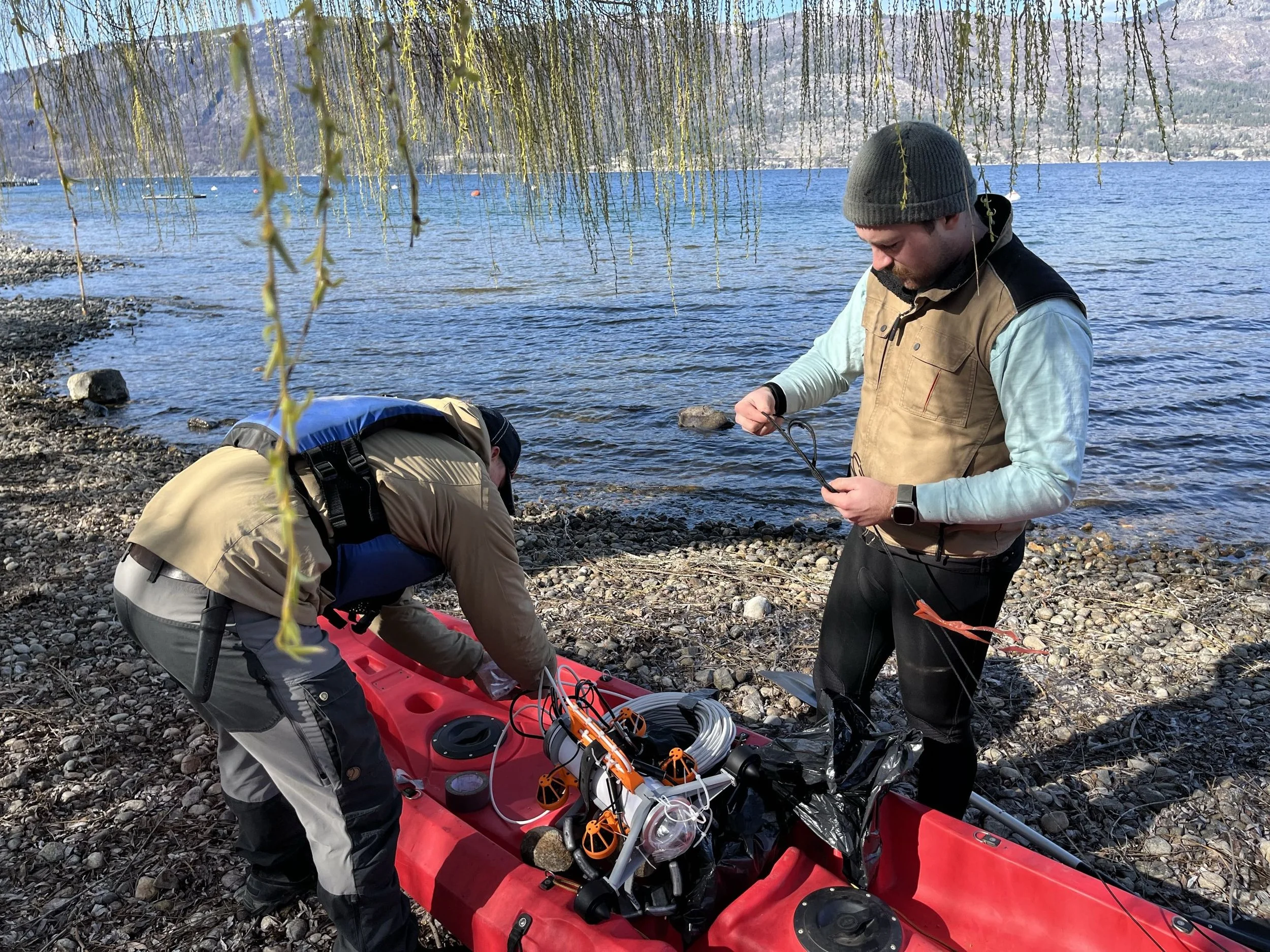
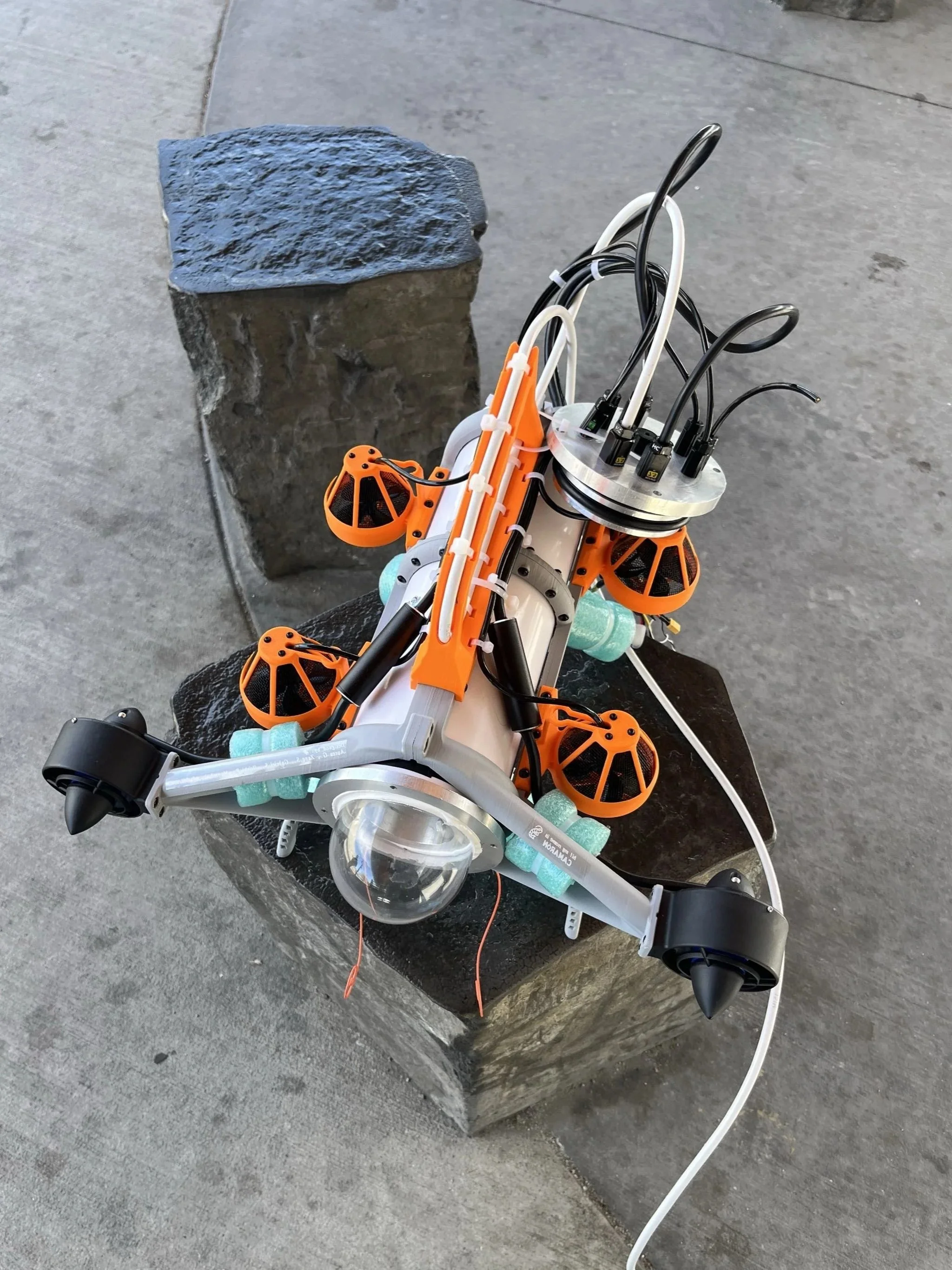
Shrimp is a multidisciplinary capstone project focused on designing and building a compact underwater ROV capable of supporting coral restoration efforts through underwater inspection, imaging, & environmental monitoring.
Our goal was to create a modular, reliable, and cost-effective platform that could capture high-quality imagery while operating in shallow underwater environments. The design prioritized affordability, maintainability, and ease of deployment so that organizations with limited resources could benefit from advanced underwater inspection technology.
The final system integrated propulsion, onboard imaging, environmental sensing, embedded computing, power distribution, and waterproof mechanical assemblies into a single compact vehicle
My Role and Responsibilities
Although this project involved a multidisciplinary engineering team, I served as both the Electrical Engineering Lead and Team Lead; being one of the primary project coordinators. My responsibilities included:
Leading the team during project planning and defining the overall project direction.
Identifying coral restoration as the focus area after researching real-world engineering challenges with meaningful environmental impact.
Organizing meetings with faculty advisors, industry partners, potential clients, and coral restoration experts to better understand stakeholder needs.
Facilitating weekly team meetings and encouraging collaborative decision-making through open discussion and democratic voting whenever multiple design approaches were proposed.
Designing the complete electrical architecture of the ROV.
Selecting and integrating electrical components.
Wiring, assembling, soldering, and validating the complete electrical system.
Supporting embedded software configuration on the Raspberry Pi and Pixhawk.
Coordinating documentation and technical presentations.
This combination of leadership and technical ownership allowed me to contribute throughout the entire engineering lifecycle—from defining the problem to building the final prototype.
Engineering Design Process
Understanding the Problem
Before selecting hardware or beginning design work, our team focused on understanding the needs of the people who would ultimately use the system. Through discussions with faculty advisors, industry partners, and researchers involved in coral restoration, we identified several important design requirements:
Affordable compared to commercial underwater inspection systems.
Portable enough for deployment by a small team.
Capable of capturing high-resolution underwater imagery.
Modular and serviceable for future upgrades.
Reliable electrical architecture suitable for underwater operation.
Easy to maintain in remote environments.
These requirements became the foundation for every engineering decision that followed.
Electrical System Design
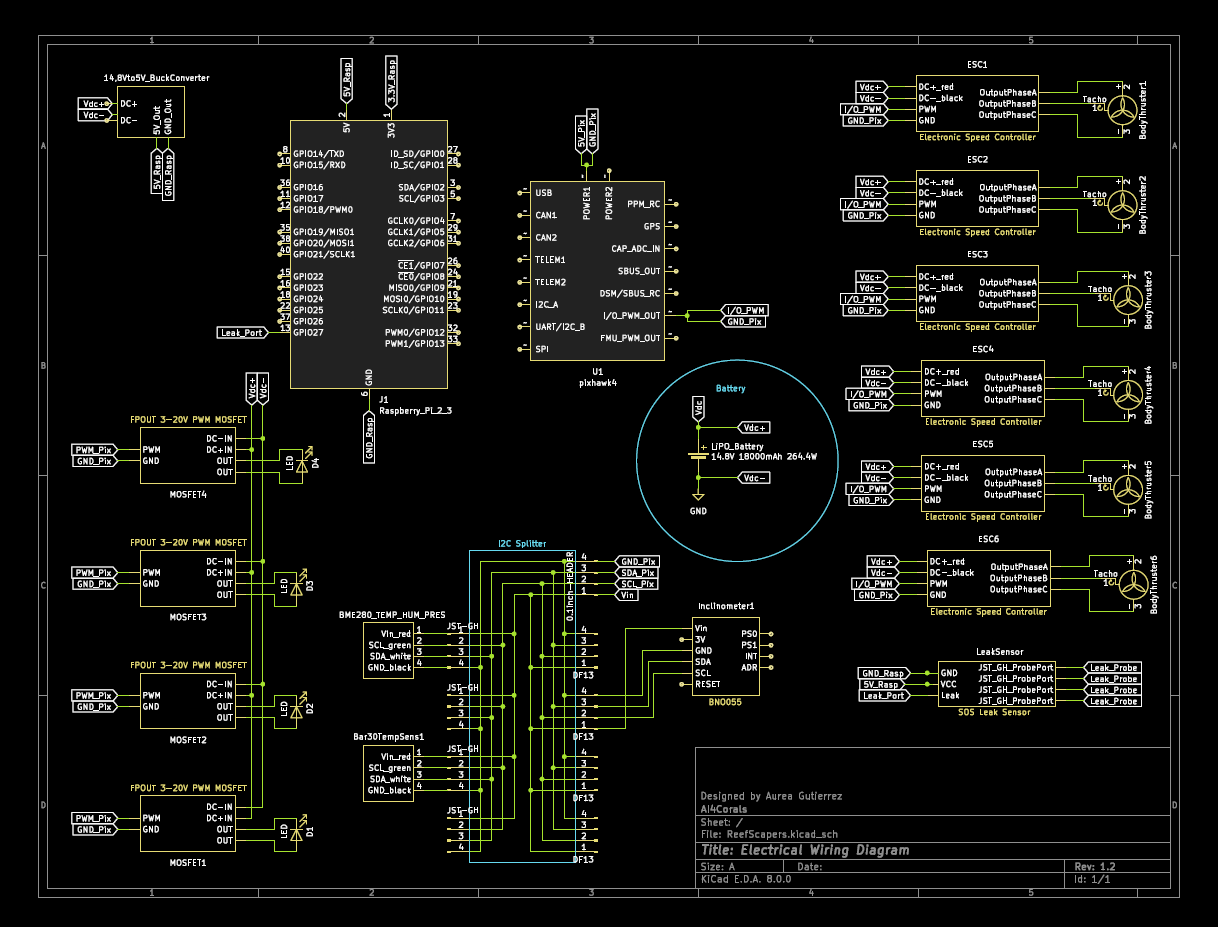
As Electrical Lead, I designed the complete electrical architecture of the vehicle. This involved selecting components that balanced performance, power consumption, compatibility, and cost while ensuring the system could operate safely inside a compact waterproof enclosure. The electrical system integrated:
Raspberry Pi 3B for onboard processing.
Pixhawk flight controller for vehicle control.
6 underwater thrusters: 2 for yaw, 4 for pitch and roll.
Camera module for live video and photogrammetry.
Environmental sensors.
Battery and power distribution.
I²C communication network between sensors.
Waterproof connectors and cable penetrators.
Once the architecture was defined, I developed the complete electrical schematic, carefully considering:
Voltage requirements.
Current distribution.
Signal integrity.
Grounding strategy.
Connector compatibility.
Future expandability.
Electrical noise generated by high-current motors.
Particular attention was given to separating high-current thruster wiring from low-voltage sensor lines to minimize electromagnetic interference and improve system reliability.
Electrical Integration
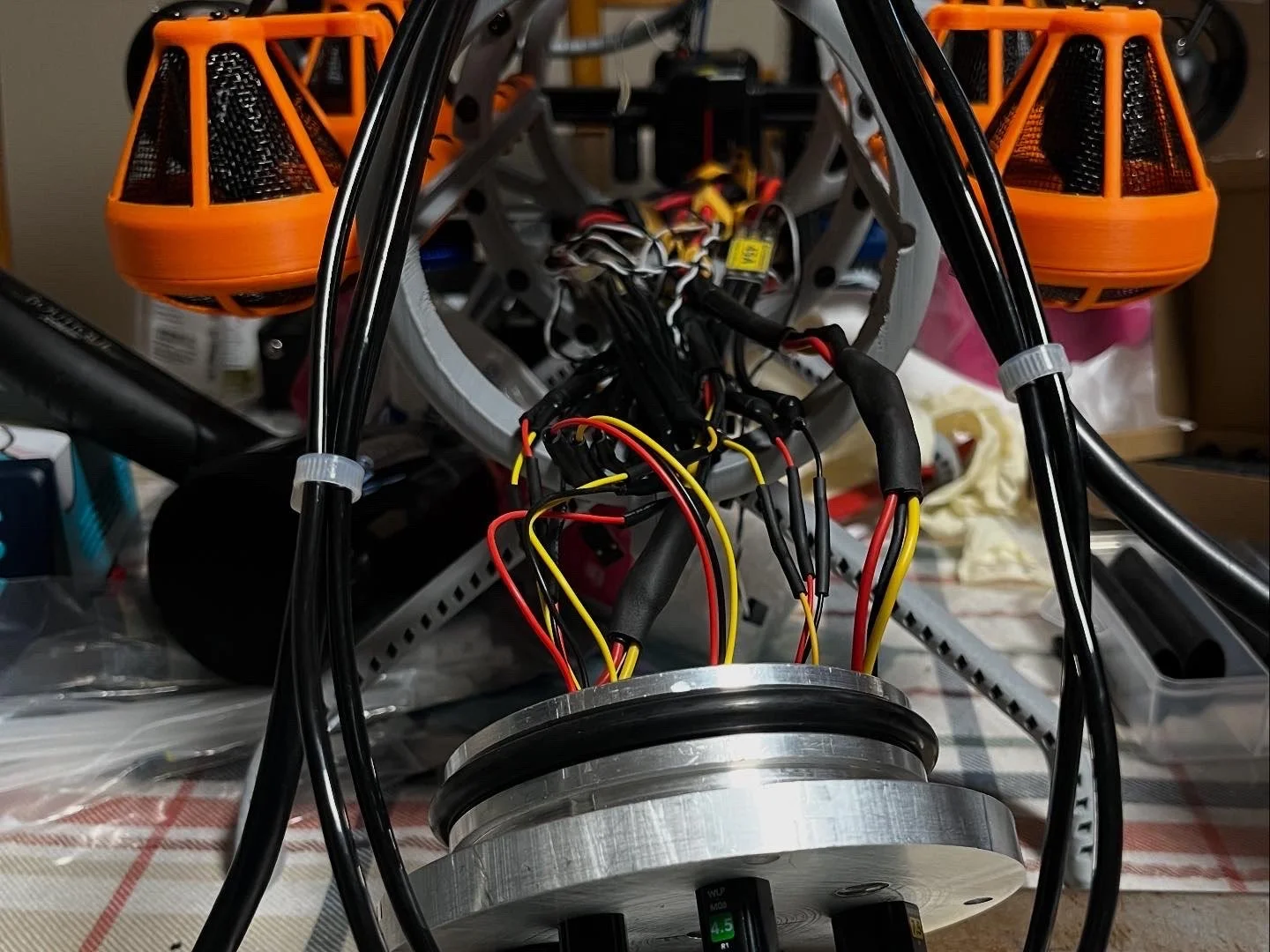
After finalizing the design, I was responsible for physically integrating the electrical system into the ROV. This included:
Cutting and preparing wiring harnesses.
Hand soldering electrical connections.
Cleaning solder joints.
Applying heat-shrink tubing for insulation and strain relief.
Installing waterproof cable penetrators.
Crimping and soldering connectors.
Connecting sensors to the I²C communication bus.
Routing cables within the limited internal space.
Each electrical connection was individually tested before full system integration to isolate potential faults early and simplify troubleshooting later in the build process.
Quality Control and Validation
Rather than waiting until the entire vehicle was assembled, I followed a staged validation process. Every electrical subsystem was tested independently before being integrated into the complete vehicle. This included:
Verifying sensor outputs.
Confirming thruster operation.
Validating power delivery.
Inspecting solder joints.
Testing continuity.
Checking connector integrity.
Confirming communication between sensors and the control system.
This incremental testing approach reduced debugging complexity and helped isolate problems before they propagated throughout the system.
Challenges and Lessons Learned
One of the most significant challenges occurred during software integration. While configuring the Raspberry Pi camera and communication system, previously configured software on the embedded platform was unintentionally overwritten. As a result, the team was forced to rebuild portions of the software configuration much later in the project schedule. Although every electrical subsystem had been individually assembled and validated, the project timeline no longer allowed for complete end-to-end system testing before the final demonstration. While disappointing, this experience reinforced several important engineering principles that I continue to apply today:
Maintain configuration backups.
Use structured version control.
Validate integrations incrementally.
Clearly document system configurations.
Reduce single points of failure during multidisciplinary integration.
This experience ultimately strengthened my appreciation for disciplined engineering processes alongside strong technical design. As of today, the software has been successfully reprogrammed, the complete system is fully operational, and communication with the Raspberry Pi camera has been restored and verified. Although these improvements were completed after the project's original demonstration timeline, they demonstrate the ability to recover from significant integration setbacks and deliver a fully functional system. This outcome further emphasizes the value of disciplined software management, thorough documentation, and systematic integration practices in complex engineering projects.
Leadership and Collaboration
Beyond my technical responsibilities, I helped guide the overall direction of the project. I coordinated communication between our engineering team, faculty advisors, industry partners, and external stakeholders to ensure technical decisions aligned with project objectives. During weekly meetings, I encouraged open discussion whenever multiple solutions were proposed. Rather than allowing one opinion to dominate, I facilitated conversations where each team member could present technical evidence before the group collectively decided on the best solution through a democratic process. I also contributed significantly to the project’s written documentation by designing the report layout, writing the ethics and conclusion section, revising technical chapters for clarity, and assisting with presentations delivered to faculty and external reviewers.
Outcomes
The project successfully produced a fully assembled prototype integrating propulsion, sensing, embedded computing, imaging, and electrical power distribution into a compact underwater platform designed for coral monitoring. Beyond the technical deliverable, this project strengthened my abilities in:
Technical leadership.
Electrical architecture design.
Embedded hardware integration.
Hands-on prototyping.
Wiring and soldering.
Waterproof electrical assembly.
Engineering documentation.
Cross-disciplinary collaboration.
Systems engineering.